
Technique
Multidimensional Tissue Stimulation (LPG)
Multidimensional tissue stimulation is a mechanical tissue mobilisation technique that promotes cell regeneration, improves circulation and releases adhesions.
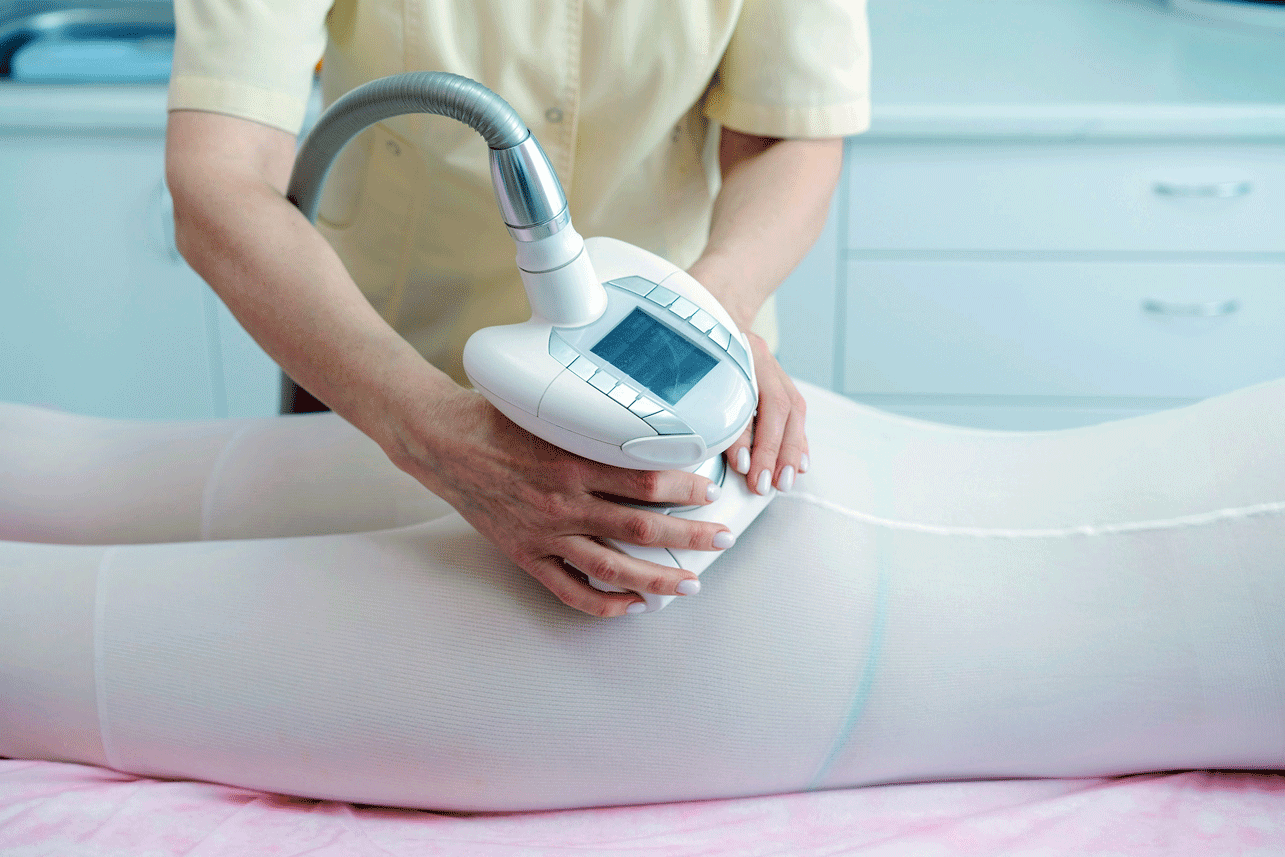
The technique
What is Multidimensional Tissue Stimulation?
Multidimensional tissue stimulation (LPG) is a mechanical tissue mobilisation technique that promotes cell regeneration, improves circulation and releases adhesions. Using motorised treatment heads, it acts in a targeted way on fibrosis, scars, muscle tension and circulatory disorders.
This technology is used in various rehabilitation and recovery settings, notably with devices such as the Cellu M6®, designed to work deep within the tissues to optimise their elasticity and function.
Your doctor or physiotherapist may recommend multidimensional tissue stimulation to improve tissue recovery, relieve pain and optimise muscle and skin rehabilitation. This technique uses a mechanical tissue mobilisation device, such as the Cellu M6®, to work deep into the skin, muscles and fascia.
Who is it for?
Indications and contraindications
✅
Indications
When is Tissue Stimulation recommended?
Multidimensional tissue stimulation is used to treat a range of conditions, including:
- Treatment of scars and adhesions after surgery or trauma.
- Reduction of fibrosis and tissue stiffness.
- Drainage and improved lymphatic circulation (oedema, heavy legs).
- Relaxation and relief of muscle tension.
- Optimised muscle recovery for athletes.
- Improved tissue mobility and suppleness after an injury.
⚠️
Contraindications
When is Tissue Stimulation not recommended?
This technique is contraindicated in certain cases, including:
- A pacemaker or an incompatible medical implant.
- Phlebitis or deep vein thrombosis (risk of embolism).
- Skin infections or open wounds in the treatment area.
- Tumours or inflammatory conditions in the acute phase.
Before any session, a physiotherapy assessment is necessary to make sure this therapy is suitable for your state of health.
Multidimensional tissue stimulation can be combined with other treatments, such as manual lymphatic drainage (MLD), manual therapy and magnetotherapy, to optimise recovery.
The benefits
Tissue Stimulation in Physiotherapy
Deep action on the tissues to improve suppleness and recovery.
Reduces adhesions and scars to restore mobility.
Draining and circulatory effect to improve muscle and tissue recovery.
A non-invasive, painless method suited to patients in rehabilitation.
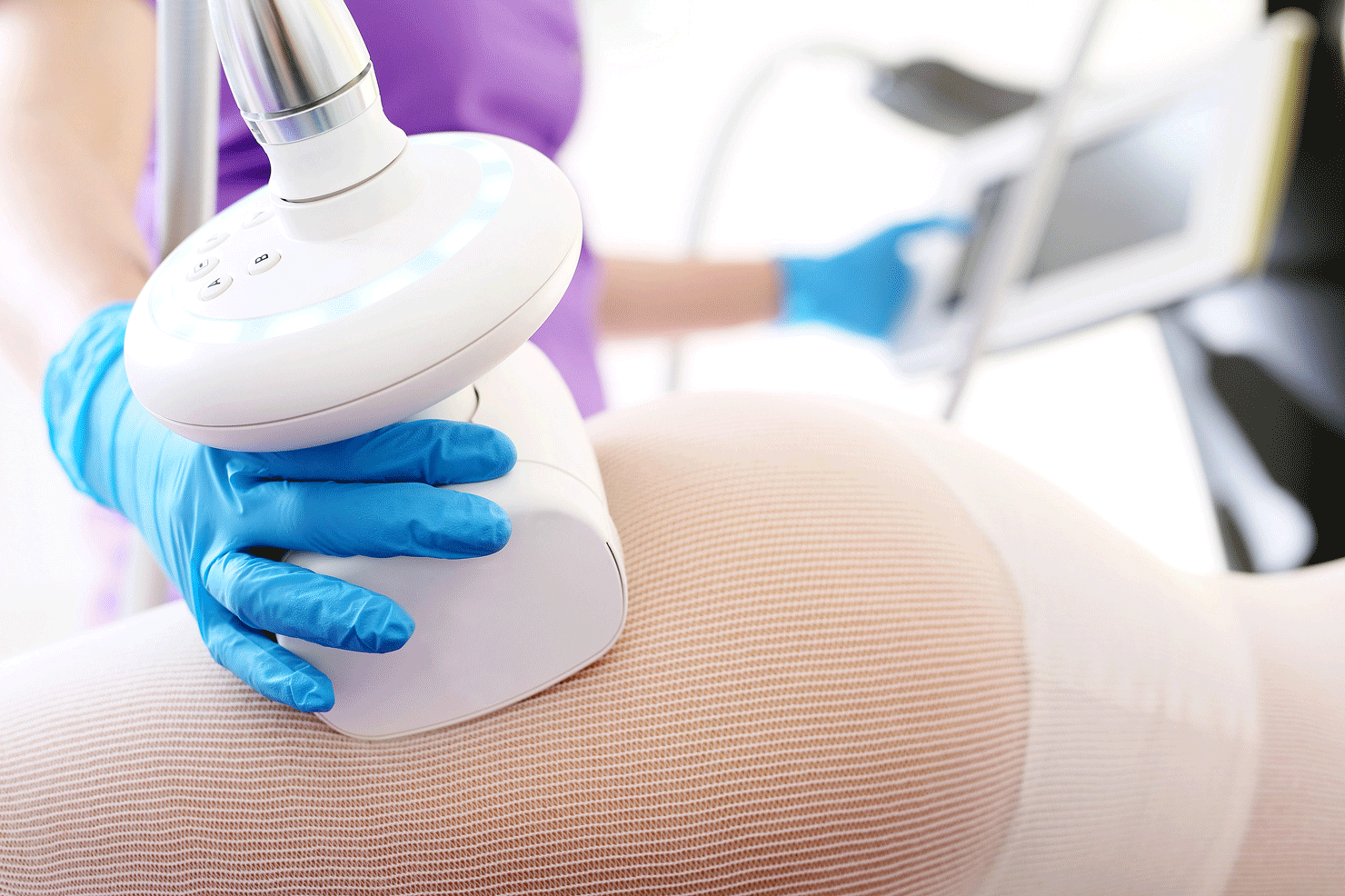
At start.physio, our specialised physiotherapists use technologies such as the Cellu M6® to treat adhesions, improve mobility and promote optimal tissue recovery. For your physiotherapy sessions to be covered by your health or accident insurance, a medical prescription is required.
Our practices
Where can you get Multidimensional Tissue Stimulation?
Multidimensional tissue stimulation is available at the following start.physio practices:
Techniques and equipment
We use a range of treatment techniques and specialised equipment to speed up recovery.
We’ll call you back
Book an appointment today and start.physio tomorrow.
Leave your name and number: our team will contact you within 24 hours (excluding weekends) to book your appointment at the practice of your choice.
Your questions
Answers to the questions you ask us most often.
Do I need a prescription?
Yes. For your sessions to be covered by your health or accident insurance, you need a medical prescription.
Does my insurance cover the sessions?
Illness: basic health insurance (LAMal). Accident: accident insurance (LAA). In some cases: disability insurance (LAI) or military insurance (LAM).
Do you offer home visits?
Yes, for people whose health prevents them from coming to a practice, and in nursing homes (EMS). A specific prescription for home physiotherapy is required: the doctor must write “at home” on it.
Can I cancel or reschedule an appointment?
Yes, but please let us know at least 24 hours in advance. Appointments missed without notice may be charged.