
Technique
Dry Needling
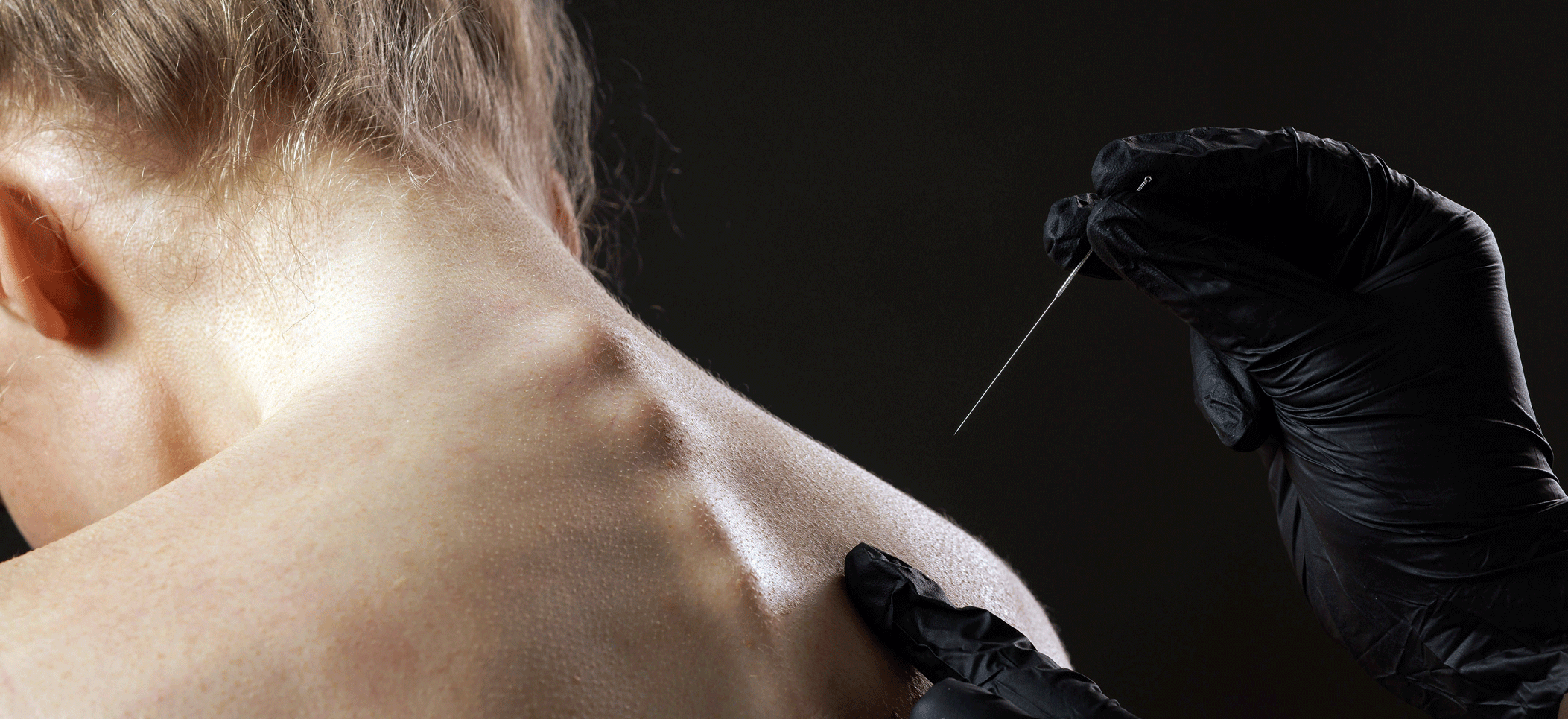
Dry needling is a treatment method that uses fine needles inserted directly into points of muscle tension, known as trigger points, to reduce muscle pain, improve tissue flexibility and restore normal muscle function by releasing persistent muscle tightness.
The technique
What is dry needling?
Dry needling is a treatment method that uses fine needles inserted directly into points of muscle tension, known as trigger points. Unlike acupuncture, which is based on traditional Chinese medicine, dry needling is an approach based on muscle physiology and anatomy.
Its aim is to reduce muscle pain, improve tissue flexibility and restore normal muscle function by releasing persistent muscle tightness.
Your doctor or physiotherapist may recommend dry needling to relieve muscle pain and treat the points of tension (trigger points) responsible for chronic or acute pain. The technique involves inserting fine sterile needles into tense or contracted muscles to release them and improve tissue oxygenation.
Who is it for?
Indications and contraindications
✅
Indications
When is dry needling recommended?
Dry needling is used to treat a range of conditions, including:
- Chronic muscle and myofascial pain (neck tension, lower back pain).
- Painful trigger points (points of muscle tension causing referred pain).
- Persistent muscle contractures after exertion or injury.
- Tendinopathies and pain associated with muscle imbalances.
- Myofascial pain syndrome (diffuse muscle pain that does not respond to conventional treatments).
- Recovery after a sports injury or surgery.
⚠️
Contraindications
When is dry needling not recommended?
Although this technique is effective and well tolerated, it is contraindicated in certain cases:
- Blood clotting disorders or use of anticoagulants.
- Skin infections or open wounds in the area to be treated.
- Pregnancy (certain areas must be avoided).
- Severe needle phobia or excessive anxiety.
- Immunocompromised people without prior medical advice.
Before any session, a physiotherapy assessment is essential to make sure dry needling is suitable for your situation.
Dry needling can be used alongside other treatments such as manual therapy, magnetotherapy or TECAR therapy to optimise results.
The benefits
Dry needling in physiotherapy
Fast, effective relief of muscle pain.
Fewer contractures and improved muscle flexibility.
A targeted method that complements other treatments.
A quick procedure, performed safely by a trained physiotherapist.
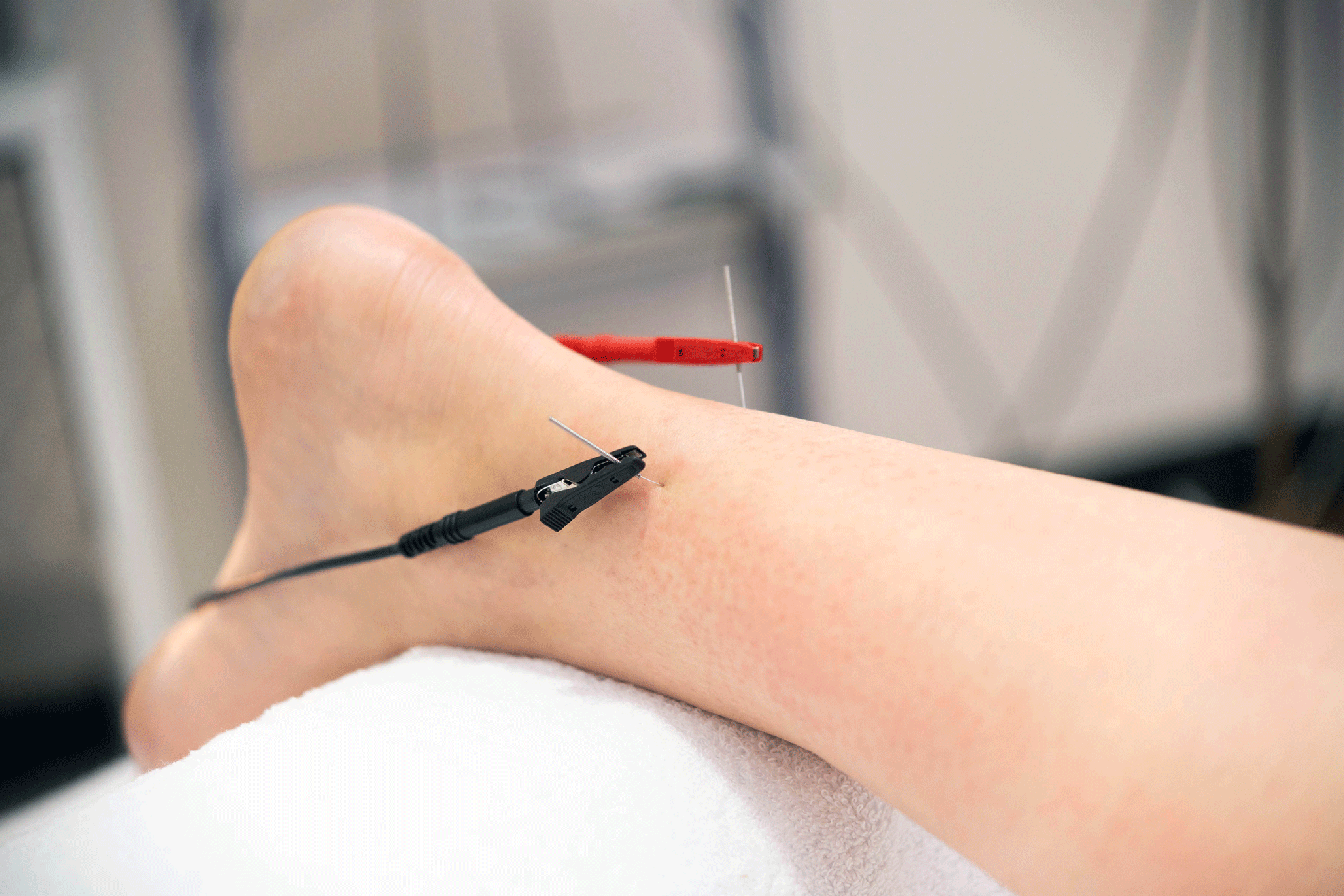
At start.physio, our physiotherapists specialising in dry needling use this technique in a targeted way to effectively relieve muscle tension and improve mobility. For physiotherapy sessions to be covered by your health or accident insurance, a medical prescription is required.
Our practices
Where can you get dry needling?
Dry needling is available at the following start.physio practices:
Techniques and equipment
We use a range of treatment techniques and specialised equipment to speed up recovery.
We’ll call you back
Book an appointment today and start.physio tomorrow.
Leave your name and number: our team will contact you within 24 hours (excluding weekends) to book your appointment at the practice of your choice.
Your questions
Answers to the questions you ask us most often.
Do I need a prescription?
Yes. For your sessions to be covered by your health or accident insurance, you need a medical prescription.
Does my insurance cover the sessions?
Illness: basic health insurance (LAMal). Accident: accident insurance (LAA). In some cases: disability insurance (LAI) or military insurance (LAM).
Do you offer home visits?
Yes, for people whose health prevents them from coming to a practice, and in nursing homes (EMS). A specific prescription for home physiotherapy is required: the doctor must write “at home” on it.
Can I cancel or reschedule an appointment?
Yes, but please let us know at least 24 hours in advance. Appointments missed without notice may be charged.