
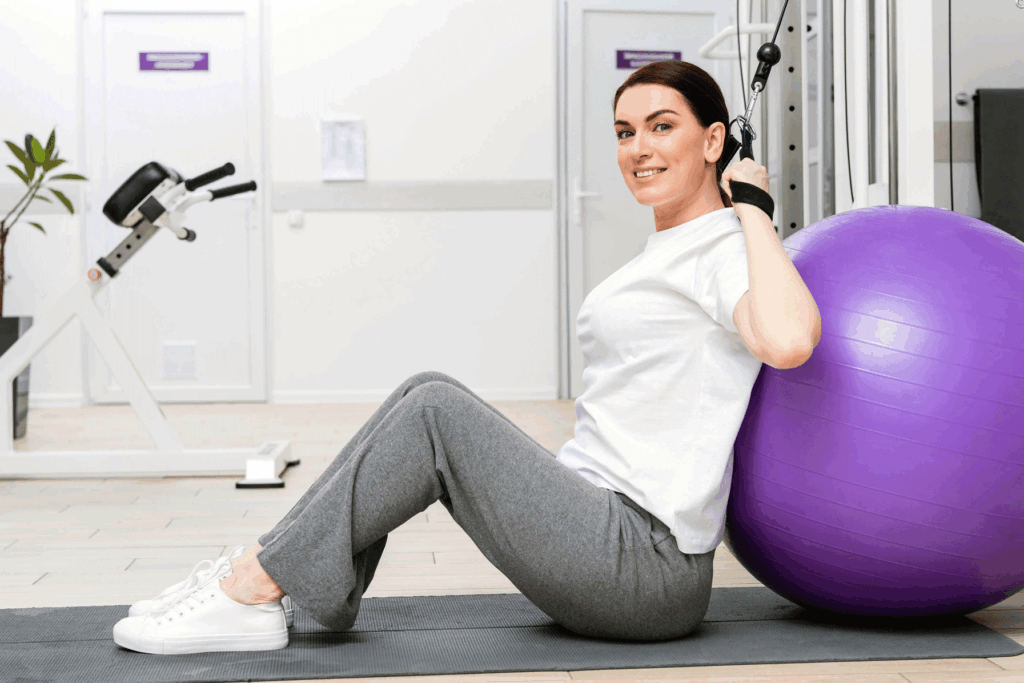
SPECIALITY | WOMEN
Uro-Gynaecological Physiotherapy
Do you leak urine when you cough, exercise or laugh out loud? Do you suffer from faecal incontinence, a prolapse, chronic pelvic pain (endometriosis, muscle tension) or pain during sex (dyspareunia, vaginismus), or are you preparing for childbirth? Pelvic floor rehabilitation is not just for after giving birth: it helps you at every stage of life, including menopause or after gynaecological surgery. The techniques are mostly non-invasive — exercises, magnetotherapy, electrical stimulation — in a confidential and caring setting.
What is Uro-Gynaecological Physiotherapy?
Uro-gynaecological physiotherapy is a specialised approach to treating pelvic floor disorders and urinary and anorectal dysfunction in women.
These problems can arise after childbirth, during menopause, following gynaecological surgery, as a result of muscle weakness or because of chronic pain. But pelvic floor rehabilitation is not only for afterwards!
When is Uro-Gynaecological Physiotherapy recommended?
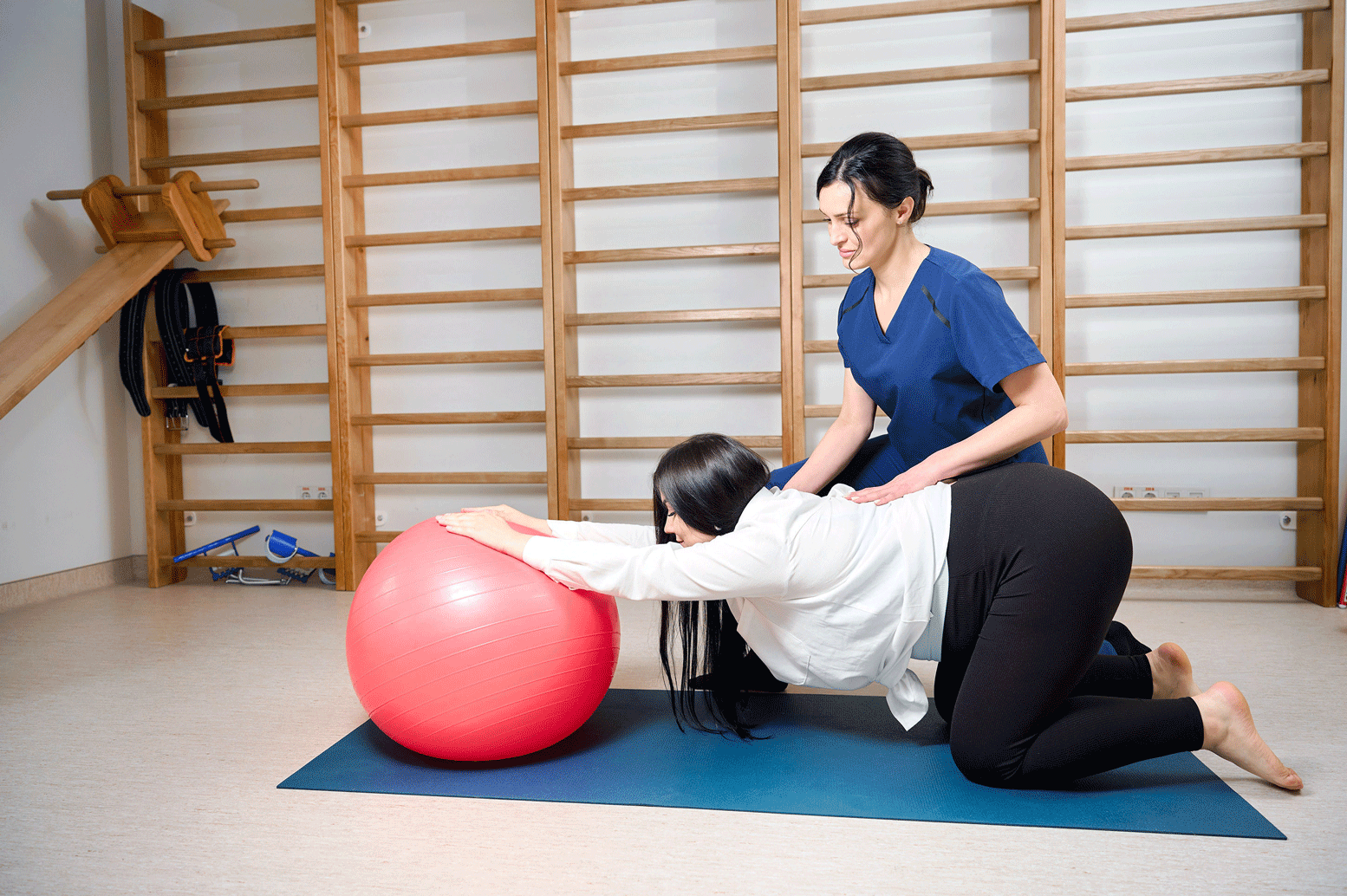
It can also be done to prepare for childbirth, to optimise perineal tone, make the birth easier and reduce the risk of complications during delivery and the postpartum period.
Treatment is provided by a specialised physiotherapist, who carries out a detailed assessment to tailor the treatment to each patient.
Which problems and pain are treated?
The Problems
Uro-gynaecological physiotherapy treats various disorders affecting the pelvic region, including:
- Urinary incontinence: stress incontinence (leaks when coughing, laughing or exercising), urge incontinence (sudden urges) or mixed incontinence (a combination of both).
- Faecal incontinence caused by muscle weakness or problems with sphincter control.
- Genital prolapse (organ descent) causing a feeling of heaviness in the pelvis.
- Chronic pelvic pain (endometriosis, muscle tension, painful scars).
- Pain and discomfort during sexual intercourse (dyspareunia, vaginismus).
- Preparation for childbirth with exercises to strengthen and soften the perineum, reducing the risk of tearing and episiotomy.
How does the treatment work?
The Treatment
Every patient receives an in-depth assessment by a specialised physiotherapist to identify the specific causes of her symptoms and tailor the treatment. Treatment includes:
- Pelvic floor strengthening exercises to improve bladder and bowel control.
- Manual and visceral techniques to release muscle tension and soften scar tissue.
- Biofeedback, electrical stimulation and magnetotherapy to strengthen weakened muscles and improve their coordination.
- Breathing and postural work to optimise pelvic tone and reduce abdominal pressure.
- Personalised advice on bladder, bowel and sexual habits to prevent recurrences.
Respectful, non-invasive treatment
Most of the techniques used in uro-gynaecological physiotherapy are non-invasive, focusing on external exercises and postural adjustments. When internal techniques are needed, they are carried out with the utmost respect for the patient’s privacy, always with her consent and in a safe setting.
Magnetotherapy as a complement
Depending on the patient’s needs, magnetotherapy can be used alongside treatment to stimulate the pelvic floor muscles non-invasively and speed up recovery. This approach is particularly useful for women who find certain muscle exercises difficult or who want to get the most out of their rehabilitation.
Why is it important to get treatment?
Pelvic floor disorders can significantly affect quality of life, causing discomfort, pain and sometimes isolation. Without treatment, these problems can persist and get worse, making everyday activities more difficult.
For your sessions to be covered by your health or accident insurance, a medical prescription is required. If you have urinary problems or pelvic pain, or would like to prepare your perineum for childbirth, talk to your doctor or your gynaecologist-obstetrician to find out whether rehabilitation is recommended.
They trusted us
Patient reviews, just as they left them.
★★★★★
Ana looked after me during my postpartum period: a gentle, professional and very knowledgeable physiotherapist whom I highly recommend!
CCindyBex
★★★★★
Excellent professionals; I had a great experience and was able to recover. I loved the new space and how close it is to the station and the village centre. Highly recommended!
RSRita S.La Tour-de-Peilz
★★★★★
A very good physio with lots of patience for children!
MDMafalda D.Roche
★★★★★
Great team! Thank you for looking after my 91-year-old mum. Since your care, she gets around indoors without her canes and does the exercises she learned every day. Thank you.
AFAngela F.Bex
★★★★★
I received excellent follow-up, with very, very good results 👌 A truly professional team. Highly recommended.
GGGabriel G.Monthey
Book
an appointment
today and

tomorrow.
Your questions
Answers to the questions you ask us most often.
Do I need a prescription?
Yes. For your sessions to be covered by your health or accident insurance, you need a medical prescription.
Does my insurance cover the sessions?
Illness: basic health insurance (LAMal). Accident: accident insurance (LAA). In some cases: disability insurance (LAI) or military insurance (LAM).
Do you offer home visits?
Yes, for people whose health prevents them from coming to a practice, and in nursing homes (EMS). A specific prescription for home physiotherapy is required: the doctor must write “at home” on it.
Can I cancel or reschedule an appointment?
Yes, but please let us know at least 24 hours in advance. Appointments missed without notice may be charged.