
Technique
Biofeedback
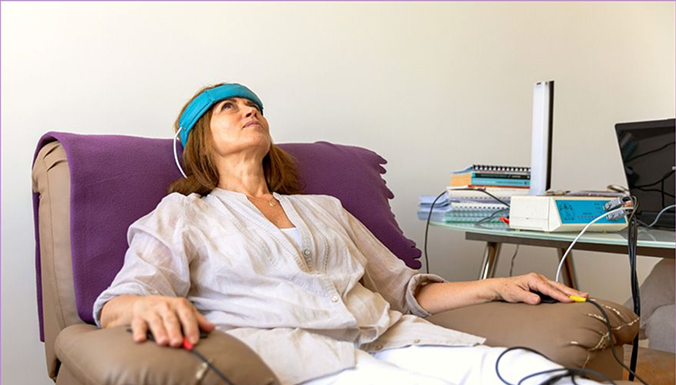
Biofeedback is a therapeutic method that uses sensors and visual or audio signals to provide real-time information on muscle activity or other physiological functions.
The technique
What is biofeedback?
Biofeedback is a therapeutic method that uses sensors and visual or audio signals to provide real-time information on muscle activity or other physiological functions. By making these processes visible and measurable, it helps patients improve their muscle control and better understand how their body works.
This technique is particularly effective in pelvic floor rehabilitation, where it helps to train the pelvic muscles, reduce urinary and faecal dysfunction and optimise recovery after childbirth or surgery.
Your doctor or physiotherapist may recommend biofeedback to help you regain control of certain involuntary bodily functions, particularly in perineal rehabilitation, bladder control and muscle disorders. It is a non-invasive technique that shows muscle activity in real time so that it can be better corrected and trained.
Indications
When is biofeedback recommended?
Biofeedback is used to treat a range of disorders, including:
Urinary and faecal incontinence (stress, urge or mixed).
Pelvic floor dysfunction (weakness, muscle hypertonia).
Chronic pelvic pain (muscle tension, endometriosis).
Bladder disorders (overactive bladder, urinary retention).
Preparation for childbirth and perinatal rehabilitation.
Post-prostatectomy rehabilitation to improve urinary continence in men.
Biofeedback is not suitable for all patients. People with a pacemaker or certain neurological conditions should consult their doctor and inform their physiotherapist before using it.
The benefits
Biofeedback in physiotherapy
Control and autonomy: helps patients better understand and master their muscle functions.
Non-invasive and painless: no intrusive medical procedure, just gentle treatment.
Personalised, real-time approach: exercises are adapted to the observed muscle response.
Complementary to other treatments: can be combined with manual therapy, electrostimulation or magnetotherapy for optimal results.
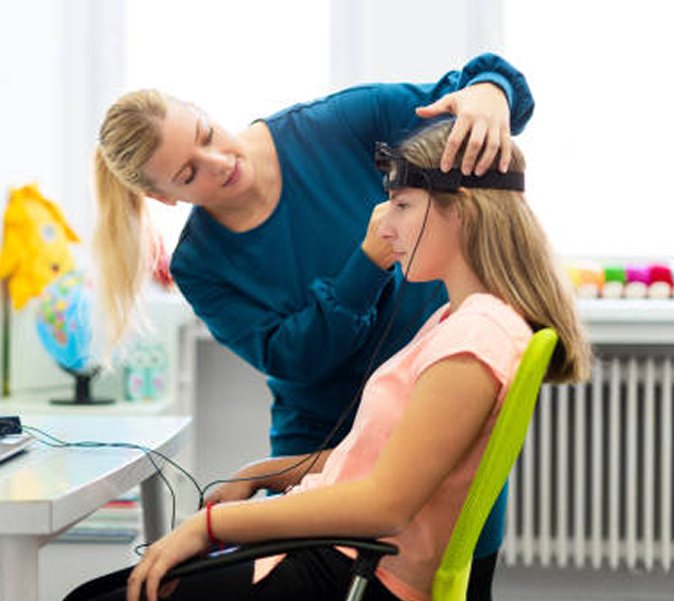
At start.physio, our specialised physiotherapists use latest-generation biofeedback devices such as BioStim for precise treatment tailored to each patient. For physiotherapy sessions to be covered by your health or accident insurance, a medical prescription is required.
Our practices
Where can you get biofeedback?
Biofeedback is available at the following start.physio practices:
Techniques and equipment
We use a range of treatment techniques and specialised equipment to speed up recovery.
We’ll call you back
Book an appointment today and start.physio tomorrow.
Leave your name and number: our team will contact you within 24 hours (excluding weekends) to book your appointment at the practice of your choice.
Your questions
Answers to the questions you ask us most often.
Do I need a prescription?
Yes. For your sessions to be covered by your health or accident insurance, you need a medical prescription.
Does my insurance cover the sessions?
Illness: basic health insurance (LAMal). Accident: accident insurance (LAA). In some cases: disability insurance (LAI) or military insurance (LAM).
Do you offer home visits?
Yes, for people whose health prevents them from coming to a practice, and in nursing homes (EMS). A specific prescription for home physiotherapy is required: the doctor must write “at home” on it.
Can I cancel or reschedule an appointment?
Yes, but please let us know at least 24 hours in advance. Appointments missed without notice may be charged.