

SPECIALITY | CARDIAC + VASCULAR
Cardiac and Vascular Physiotherapy
Have you had a heart attack or heart surgery (bypass, valve replacement, transplant), or are you living with heart failure, peripheral arterial disease (PAD) or high blood pressure? Progressive, supervised exercise rehabilitation improves your endurance, strengthens your heart, optimises circulation and reduces the risk of recurrence. Your programme is drawn up together with your cardiologist or GP.
What is Cardiac and Vascular Physiotherapy?
Cardiovascular diseases can affect your ability to exert yourself, cause breathlessness and limit your endurance in everyday life. Cardiac and vascular physiotherapy supports rehabilitation after a heart attack or heart surgery (bypass, valve replacement, transplant), and in cases of heart failure, peripheral arterial disease (PAD) or high blood pressure. Exercise rehabilitation is progressive and supervised: it improves endurance, strengthens the heart, optimises circulation and reduces the risk of recurrence. Each programme is drawn up in coordination with the cardiologist or GP.
When is Cardiac and Vascular Physiotherapy indicated?
With an individualised approach, it helps to strengthen the cardiovascular system, improve endurance and optimise blood circulation, while reducing the risk of complications.
Which problems and conditions are treated?
The Problems
Cardiac and vascular physiotherapy is aimed at people with conditions affecting the heart and blood vessels, including:
- Rehabilitation after a myocardial infarction to regain good exercise tolerance.
- Recovery after heart surgery (bypass, heart valve, transplant).
- Heart failure: improving breathing capacity and endurance.
- High blood pressure: work on controlling exertion and regulating blood pressure.
- Peripheral arterial disease (PAD): improving circulation and walking to reduce pain.
- Recovery after a stroke: exercise retraining to regain optimal independence.
How does the treatment work?
The Treatment
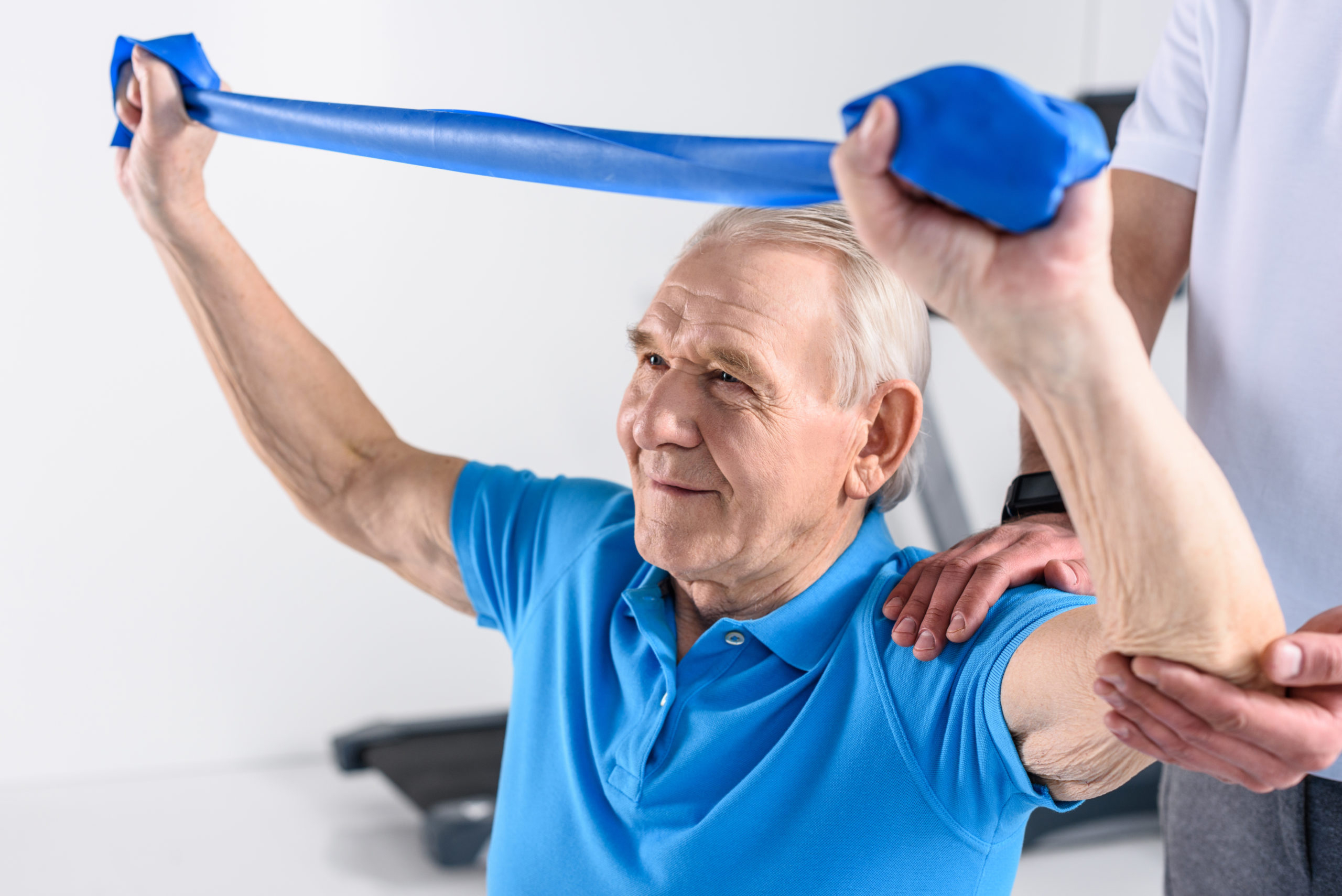
After a full assessment, the physiotherapist sets up a progressive and safe programme tailored to the patient’s state of health. This programme may include:
- Exercise retraining to improve cardiorespiratory capacity safely.
- Gentle muscle-strengthening exercises to maintain strength without overloading the heart.
- Breathing and relaxation work to optimise oxygenation and reduce stress.
- Vascular rehabilitation to improve blood circulation and reduce pain caused by arterial disease.
- Patient education and advice to learn how to manage exertion and adopt a more active lifestyle.
Why is it important to get treatment?
Physiotherapy follow-up allows you to resume physical activity gently and safely, under medical supervision. Good rehabilitation promotes better recovery after a heart or vascular problem, while reducing the risk of recurrence and increasing the patient’s independence.
For sessions to be covered by your health or accident insurance, a medical prescription is required. If you have a history of heart or vascular problems and would like to improve your physical condition, talk to your doctor to assess whether physiotherapy is recommended.
They trusted us
Patient reviews, just as they left them.
★★★★★
Ana looked after me during my postpartum period: a gentle, professional and very knowledgeable physiotherapist whom I highly recommend!
CCindyBex
★★★★★
Excellent professionals; I had a great experience and was able to recover. I loved the new space and how close it is to the station and the village centre. Highly recommended!
RSRita S.La Tour-de-Peilz
★★★★★
A very good physio with lots of patience for children!
MDMafalda D.Roche
★★★★★
Great team! Thank you for looking after my 91-year-old mum. Since your care, she gets around indoors without her canes and does the exercises she learned every day. Thank you.
AFAngela F.Bex
★★★★★
I received excellent follow-up, with very, very good results 👌 A truly professional team. Highly recommended.
GGGabriel G.Monthey
Book
an appointment
today and

tomorrow.
Your questions
Answers to the questions you ask us most often.
Do I need a prescription?
Yes. For your sessions to be covered by your health or accident insurance, you need a medical prescription.
Does my insurance cover the sessions?
Illness: basic health insurance (LAMal). Accident: accident insurance (LAA). In some cases: disability insurance (LAI) or military insurance (LAM).
Do you offer home visits?
Yes, for people whose health prevents them from coming to a practice, and in nursing homes (EMS). A specific prescription for home physiotherapy is required: the doctor must write “at home” on it.
Can I cancel or reschedule an appointment?
Yes, but please let us know at least 24 hours in advance. Appointments missed without notice may be charged.