

SPECIALITY | RESPIRATORY
Respiratory Physiotherapy
Do you have COPD, asthma, pulmonary fibrosis, chronic respiratory failure or post-COVID after-effects, or are you recovering from chest surgery? Does your baby have bronchiolitis? Whether the condition is chronic or acute, respiratory physiotherapy helps you breathe more efficiently: it clears mucus from the airways, strengthens the respiratory muscles and improves your exercise tolerance. In infants, airway clearance is very effective from the very first episodes of bronchiolitis.
What is Respiratory Physiotherapy?
Respiratory disorders can affect quality of life by making breathing difficult, limiting endurance and increasing fatigue. They can occur at any age, following a chronic illness, a lung infection or a build-up of bronchial secretions.
When is Respiratory Physiotherapy indicated?
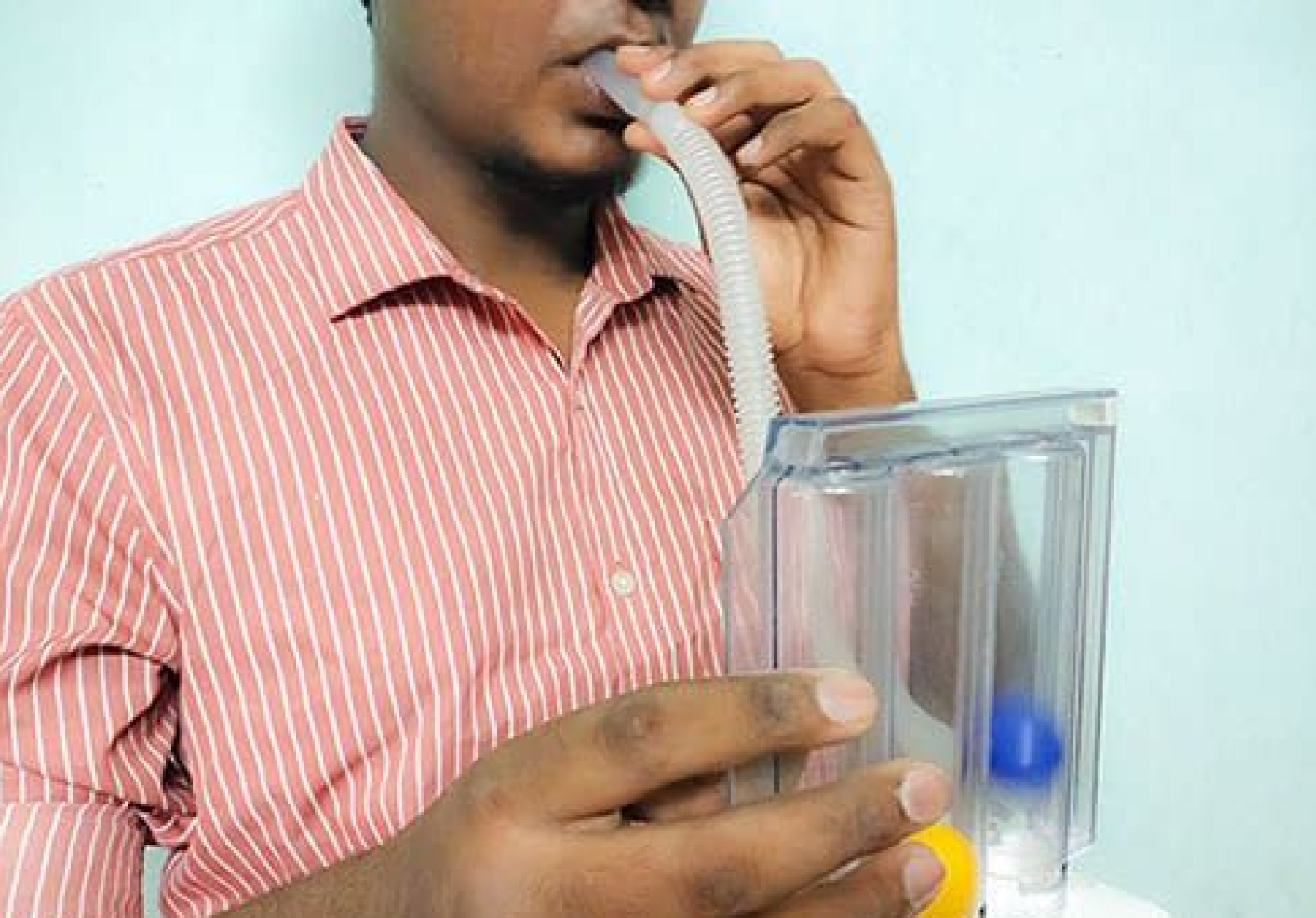
Respiratory physiotherapy treats chronic and acute lung conditions: COPD, asthma, bronchiolitis (infants), pulmonary fibrosis, chronic respiratory failure, post-COVID after-effects and recovery from chest surgery. It improves the ability to breathe efficiently, clears mucus from the airways, strengthens the respiratory muscles and improves exercise tolerance. In infants, airway clearance techniques are very effective from the very first episodes of bronchiolitis. Using tailored techniques, it helps patients breathe better, reduce breathlessness and improve their ability to carry out everyday activities.
Which problems and conditions are treated?
The Problems
Respiratory physiotherapy treats a range of conditions, including:
- Chronic obstructive pulmonary disease (COPD): respiratory rehabilitation to optimise lung capacity and reduce breathlessness.
- Asthma: techniques to improve breathing control and limit attacks.
- Pulmonary fibrosis: work on endurance and ventilation to oxygenate the body better.
- Bronchiolitis and lung infections (in children and adults): bronchial drainage to clear secretions.
- Chronic respiratory failure: care to maximise independence and quality of life.
- Post-COVID or post-operative rehabilitation: exercises to regain good breathing capacity after an infection or chest surgery.
How does treatment work?
The Treatment
Each patient receives an initial assessment to analyse their breathing and tailor treatment to their specific needs. Treatment may include:
- Airway clearance techniques (postural drainage, expiratory techniques).
- Breathing control exercises to manage breathlessness better and improve ventilation.
- Breathing work and respiratory muscle strengthening to increase endurance.
- Exercise rehabilitation to improve tolerance of physical activity and regain more independence.
- Education and advice to manage breathing better day to day and prevent complications.
Why is treatment important?
Good respiratory care helps preserve lung capacity, reduce the risk of deterioration and improve endurance for a better everyday life. By relearning how to breathe better and limiting the build-up of secretions, patients regain more effective breathing and better exercise tolerance.
For your sessions to be covered by your health or accident insurance, a medical prescription is required. If you or someone close to you has persistent breathing problems, talk to your doctor to find out whether physiotherapy is recommended.
Where can I book an appointment for Respiratory Physiotherapy?
Respiratory physiotherapy is available by appointment at the following practices:
They trusted us
Patient reviews, just as they left them.
★★★★★
Ana looked after me during my postpartum period: a gentle, professional and very knowledgeable physiotherapist whom I highly recommend!
CCindyBex
★★★★★
Excellent professionals; I had a great experience and was able to recover. I loved the new space and how close it is to the station and the village centre. Highly recommended!
RSRita S.La Tour-de-Peilz
★★★★★
A very good physio with lots of patience for children!
MDMafalda D.Roche
★★★★★
Great team! Thank you for looking after my 91-year-old mum. Since your care, she gets around indoors without her canes and does the exercises she learned every day. Thank you.
AFAngela F.Bex
★★★★★
I received excellent follow-up, with very, very good results 👌 A truly professional team. Highly recommended.
GGGabriel G.Monthey
Book
an appointment
today and

tomorrow.
Your questions
Answers to the questions you ask us most often.
Do I need a prescription?
Yes. For your sessions to be covered by your health or accident insurance, you need a medical prescription.
Does my insurance cover the sessions?
Illness: basic health insurance (LAMal). Accident: accident insurance (LAA). In some cases: disability insurance (LAI) or military insurance (LAM).
Do you offer home visits?
Yes, for people whose health prevents them from coming to a practice, and in nursing homes (EMS). A specific prescription for home physiotherapy is required: the doctor must write “at home” on it.
Can I cancel or reschedule an appointment?
Yes, but please let us know at least 24 hours in advance. Appointments missed without notice may be charged.