
Technique
Ultrasound
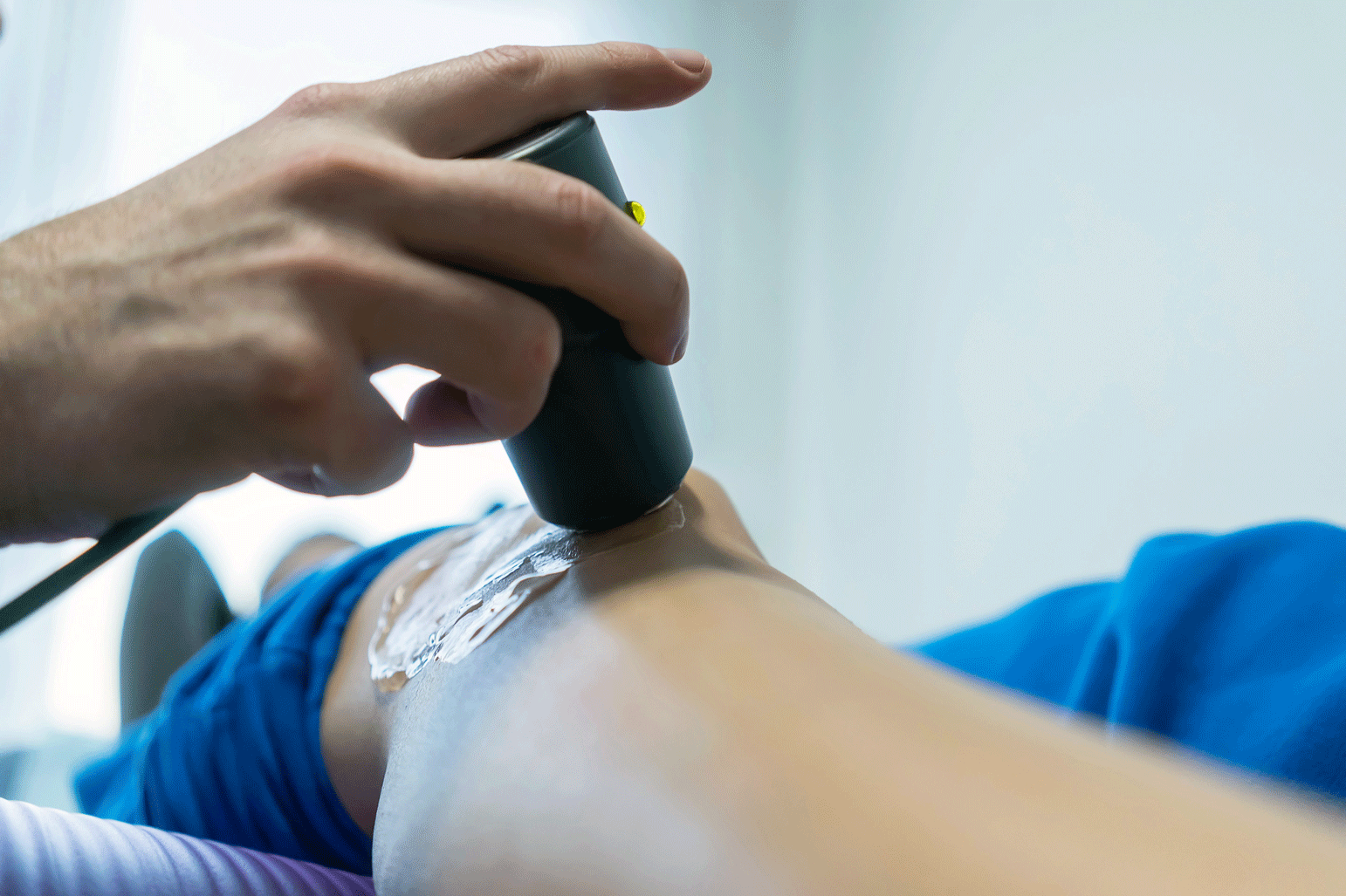
Ultrasound is a device used in physiotherapy that applies ultrasonic waves to help stimulate blood circulation, reduce inflammation and speed up the healing of damaged tissue.
The technique
What is Ultrasound?
Ultrasound is a device used in physiotherapy that applies ultrasonic waves at specific frequencies to penetrate deep into the tissues. These waves produce a thermal and mechanical effect that helps stimulate blood circulation, reduce inflammation and speed up the healing of damaged tissue.
Thanks to its targeted, painless effect, ultrasound is particularly effective in treating chronic pain and musculoskeletal injuries.
Your doctor or physiotherapist may recommend ultrasound therapy to reduce inflammation, relieve pain and promote tissue regeneration. This non-invasive technique uses high-frequency sound waves to stimulate the repair of muscle, tendon and joint tissue.
Who is it for?
Indications and contraindications
✅
Indications
When is Ultrasound recommended?
Ultrasound is recommended for many conditions, including:
- Tendinitis and tendinopathies (rotator cuff, Achilles tendon, tennis elbow).
- Muscle contractures and pain (persistent tension, fibromyalgia).
- Osteoarthritis and chronic joint pain (knee, hip, shoulder).
- Inflammation and bursitis (shoulders, elbows, knees).
- Post-operative scars and fibrosis, to improve tissue elasticity.
- Post-traumatic oedema and haematomas, to speed up resorption.
⚠️
Contraindications
When is Ultrasound not recommended?
Ultrasound is contraindicated in certain situations, including:
- A pacemaker or other electronic implant.
- Unhealed fractures (risk of delayed bone healing).
- Tumours and malignant lesions.
- Deep vein thrombosis (risk of embolism).
- Application to the abdomen during pregnancy.
Before starting treatment, a prior assessment by a physiotherapist is necessary to make sure ultrasound is suitable for your condition.
Please note: ultrasound can be used on its own or alongside other techniques such as manual therapy, electrical stimulation or shockwave therapy.
The benefits
Ultrasound in Physiotherapy
Rapid pain relief: anti-inflammatory and muscle-relaxing effect.
Tissue regeneration: speeds up the healing of damaged muscles and tendons.
Non-invasive, painless treatment: no significant side effects.
Improved joint mobility: reduced stiffness and better range of motion.
At start.physio, we use ultrasound to complement our treatments and optimise your recovery. For physiotherapy sessions to be covered by your health or accident insurance, a medical prescription is required.
Our practices
Where can I find Ultrasound therapy?
Ultrasound therapy is available at the following start.physio practices:
Techniques and equipment
We use a range of treatment techniques and specialised equipment to speed up recovery.
We’ll call you back
Book an appointment today and start.physio tomorrow.
Leave your name and number: our team will contact you within 24 hours (excluding weekends) to book your appointment at the practice of your choice.
Your questions
Answers to the questions you ask us most often.
Do I need a prescription?
Yes. For your sessions to be covered by your health or accident insurance, you need a medical prescription.
Does my insurance cover the sessions?
Illness: basic health insurance (LAMal). Accident: accident insurance (LAA). In some cases: disability insurance (LAI) or military insurance (LAM).
Do you offer home visits?
Yes, for people whose health prevents them from coming to a practice, and in nursing homes (EMS). A specific prescription for home physiotherapy is required: the doctor must write “at home” on it.
Can I cancel or reschedule an appointment?
Yes, but please let us know at least 24 hours in advance. Appointments missed without notice may be charged.